Summer in Manor can feel relentless. Houses bake quickly, and a failing air conditioner turns comfort into urgency. After more than a decade on service calls around Travis County, I have seen the same handful of problems show up again and again. Some are simple fixes a homeowner can handle, others require a trained technician and proper tools. Below I walk through the common failures, how to diagnose them without guessing, what to try first, and when to call professionals such as ATX Heating & Air Conditioning LLC for AC Repair in Manor TX or for Ac installation in Manor TX.
Why this matters A stalled compressor, a leaking evaporator coil, or a frozen indoor unit can cause escalating damage if ignored. Fixes range from a 10-minute thermostat adjustment to a multi-hour refrigerant repair. Faster diagnosis saves money, prevents secondary failures, and reduces downtime during the hottest weeks. Knowing what to look for makes conversations with repair techs clearer and keeps you from paying for avoidable labor.
No cool air or weak airflow The most common call is simple: the AC is running but the house is not getting cool. Customers often assume the system needs refrigerant top-up. That can be true, but just as often the problem is airflow restriction.
When airflow is restricted, the evaporator coil does not get enough warm air across its surface. The coil temperature falls, and the system behaves as if it has too much refrigerant, sometimes even icing up. Dirty return vents, a clogged air filter, or a blocked condensate drain pan will cause symptoms that mimic a refrigerant leak.
What to check first Start at the air filter. High-efficiency pleated filters get used up quickly in older ductwork that sheds dust. If the filter is darker than the inside of a coffee mug, replace it. Check return vents and supply grills for furniture or curtains that might be blocking flow. If the system has a variable-speed blower, make sure the fan is running at an appropriate setting on the thermostat.
If airflow remains weak after basic checks, inspect the return duct for disconnected sections or holes. In one house I serviced, squirrels had chewed through the return duct in the attic, funneling most of the air outside. The owner had assumed the compressor was failing for months. Duct leaks often show as unusually hot attic air coming through leaky joints or visible dust streaks along the seams.
Frozen evaporator coil A frozen evaporator coil can look dramatic: solid ice on the copper lines and fins, condensate overflowing onto the garage floor, and a steady hum from the outdoor unit while the house grows warmer. The causes are usually limited to three things, often acting together.
Low refrigerant from a leak reduces pressure and lowers coil temperature. Restricted airflow from a clogged filter or failing blower prevents heat from reaching the coil. A stuck metering device, such as a TXV or capillary tube, can create a localized cold spot. The trick is to identify whether airflow or refrigerant is the root cause.
How to handle a freeze Turn the system off at the thermostat and switch the fan to On so the indoor blower can help melt the ice faster. Place towels under the drain pan to catch runoff. Do not use a blowtorch or hot water on the coil. Once defrosted, replace the filter and restart briefly to see if the coil cools without freezing. If it does, the likely issue is low refrigerant. If the coil still freezes, call for professional diagnosis. Refrigerant work requires certification and proper recovery equipment.
Weird noises from the outdoor unit Clanging, grinding, or a high-pitched squeal coming from the condenser outside should never be ignored. Bearings wear out, fan blades strike the shroud, and compressors can develop internal faults that begin as noise. One time, a homeowner thought the sound was a tree branch. It turned out to be a cracked fan blade that had nicked the shroud and unbalanced the assembly. Left unrepaired, that imbalance would have destroyed the motor bearings and required a full fan motor replacement.
If you hear new metal-on-metal sounds, shut the unit off at the breaker and call for emergency AC repair near me. Running a system with severe mechanical damage can result in compressor failure, which is one of the most expensive repairs short of full replacement.
Short cycling and high energy bills Short cycling occurs when the system turns on, runs for a minute or two, then shuts off, and repeats. It causes poor humidity control, extra wear on the compressor, and spikes in electrical draw. Causes include oversized equipment, a faulty thermostat, low refrigerant, or a failing control board. I once serviced a home where a previous homeowner had replaced the thermostat with a cheap smart unit that was incompatible with the heat pump stage control. The thermostat was rapidly toggling stages, which made the compressor cycle in bursts. Replacing it with a proper model fixed the issue overnight.
If your bills have climbed but the thermostat setting is unchanged, compare kilowatt use month to month and inspect the outdoor unit for blocked airflow around the condenser. Dirty coils raise head pressure, which forces the compressor to work harder. Coil cleaning and refrigerant checks are the primary next steps.
Leaking water inside the house Water on the floor near the indoor unit often comes from a clogged condensate drain. The drain pan under the evaporator can rust through on older air handlers, especially in humid climates, or the PVC drain line can accumulate biofilm and block. If the line is blocked, water backs up and overflows the pan or triggers a float switch that shuts the system down.
You can clear some clogs yourself by locating the drain access, using a wet-dry vacuum on the drain stub in the attic or near the outdoor condensate exit, and flushing the line with water. For persistent clogs, technicians use a combination of mechanical snakes and enzyme foams that remove the organic growth safely. If the pan is corroded, replacement is the only safe option.
Electrical trips and blown fuses If your AC trips breakers frequently, there is a real electrical problem. Motors draw more current as they age and approach failure. A failing capacitor increases starting torque on the compressor and fan, raising amperage. Loose connections cause arcing and heat. In one renovation job, a sloppy attic access had crushed the unit's control wire bundle where it passed under a nail, causing intermittent shorts that popped breakers. Tightening and re-seating the connectors fixed the immediate tripping, but the damaged bundle needed replacement to be reliable.
Never work on electrical components unless you are qualified and have turned off power at the correct disconnect. Capacitors can hold lethal charge even when the unit is off. For safe diagnosis and repair, schedule an authorized technician for electrical faults.
Refrigerant leaks and the right approach Refrigerant does not evaporate; it leaks. Patching a leak with stop-leak products is quick but often temporary and can contaminate the system. Proper repair requires locating the leak, replacing the damaged section of tubing or fitting, pressure testing, vacuuming the system, and charging it to the manufacturer-specified refrigerant charge. Modern systems are charged by weight, not guesswork.
If your system is older and uses R-22 refrigerant, repairs can be costly because R-22 is phased out. In many cases, replacing the entire unit may be more economical than repeated R-22 repairs. For homes needing Ac installation in Manor TX, a modern R-410A or alternative refrigerant system delivers better efficiency and future serviceability.
When repair is not the right choice There are times when repair is more expensive than replacement. Replacing a capacitor is a sensible repair, but replacing a failing compressor in a 20-year-old system often approaches 50 percent of the cost of a new, properly sized system with a modern SEER rating and warranty. Age, multiple concurrent failures, and ductwork inefficiencies can push the decision toward replacement.
A rule of thumb I use: if the system is older than 12 years and the expected repair is more than 30 percent of the replacement cost, seriously consider a replacement. Replacing an old, inefficient system also lowers long-term operating costs, improves humidity control, and often reduces the need for emergency calls.
The importance of correct sizing and installation One frequently overlooked problem is poor installation. Even the most efficient equipment underperforms if ductwork is undersized, airflow is restricted, or refrigerant lines are improperly charged at installation. I have measured systems where manufacturers' minimum run lengths were exceeded or where improper brazing left moisture and debris in the circuit. These mistakes accelerate wear and reduce efficiency.
Proper Ac installation in Manor TX includes load calculations based on the house, not the old unit size, duct leakage testing, proper refrigerant charging by weight, and a thorough start-up check. Technicians should document static pressures, superheat or subcooling values, and electrical measurements. If your installer does not provide these, ask why. Good documentation protects you and keeps warranty claims straightforward.
Seasonal maintenance that pays for itself Regular preventative maintenance beats emergency repair. A spring tune-up typically includes filter replacement, coil cleaning, condensate drain clearing, lubricating fan motors where applicable, checking electrical connections, and verifying refrigerant charge. A maintained system runs more efficiently and fails less frequently.
Many homeowners find value in an annual maintenance plan from a local company like ATX Heating & Air Conditioning LLC. These plans often include priority scheduling for emergency AC repair near me calls, and the small annual fee pays back in fewer breakdowns and reduced energy bills over the life of the system.
What to ask a technician when they arrive A good technician will explain what they are about to do, list the tests they will run, and give a clear estimate before performing non-routine work. Ask for readings, not just a diagnosis. Request to see amperage and voltage measurements, return and supply static pressures, and the refrigerant weight change if a charge is added. A transparent tech will show you before-and-after photos of damaged components. If paperwork is vague, get a second opinion.
Quick emergency checklist If your home is becoming dangerously warm and you need immediate action, follow this short checklist before calling for emergency service.
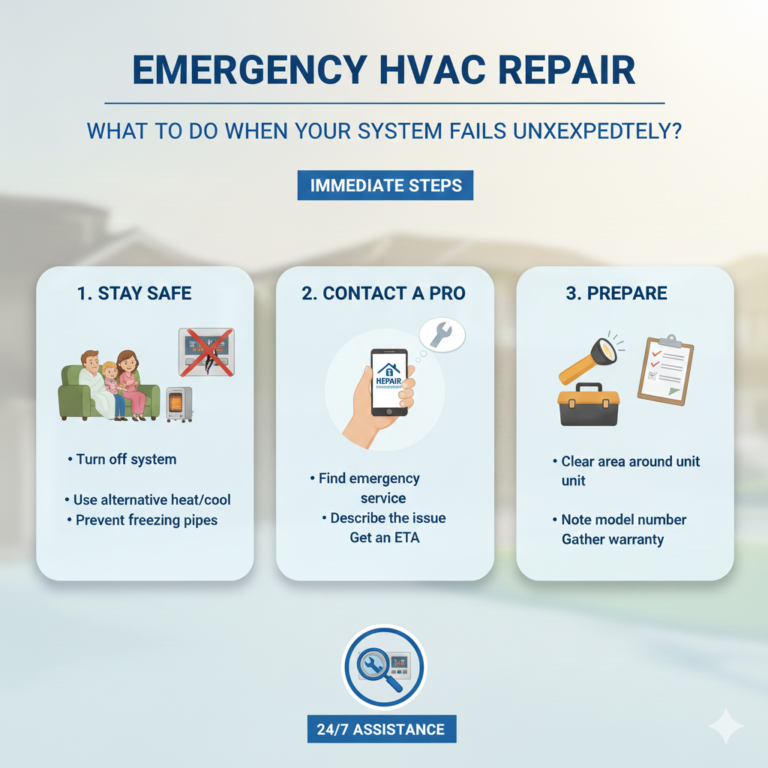
- Turn the thermostat fan to On to circulate air while you wait. Check and replace the air filter if it is visibly dirty. Inspect the outdoor unit for debris, pets, or vegetation blocking airflow. If you hear metallic scraping or smell burning, turn the unit off at the breaker and call for emergency AC repair near me. If there is water leaking inside, place towels under the indoor unit and shut the system off if the drain overflow persists.
A short checklist like this removes guesswork and reduces the odds of causing further damage while you wait for help.
Choosing the right local partner Manor homeowners deserve quick, competent service from technicians who know local conditions. Heat, humidity, and common construction styles in the area affect system performance. When selecting a company, check for proper licensing, insurance, and technician certification. Look for a local presence and clear warranty terms. Companies that offer both AC Repair in Manor TX and Ac installation in Manor TX are often the best choice because they can advise on repair versus replacement with real numbers, not sales pressure.
ATX Heating & Air Conditioning LLC is one local firm that provides both emergency repairs and full installation services, and many homeowners prefer working with a single company that will be on call for the life of the unit. Ask for references from recent installations and request a written estimate that breaks down parts, labor, and any disposal fees.
Final practical advice from the field Pay attention to the small signs. Tripped breakers, fluctuating indoor humidity, and odd smells are not minor; they are early warnings. Keep an annual maintenance habit rather than waiting for failure. When a technician arrives, demand measurements and a clear explanation. If a repair is recommended, ask for the alternatives, life expectancy of the repair, and whether replacement might be a smarter https://holdenwteb628.wordpress.com/2026/05/23/how-regular-ac-repair-in-manor-tx-extends-system-lifespan/ long-term investment.
The hot season is unforgiving in Manor. A reliable relationship with a local, reputable service provider reduces emergency calls, lowers energy bills, and keeps your home comfortable. If you need AC Repair in Manor TX, are considering Ac installation in Manor TX, or need immediate help with a failing unit, reach out to a qualified provider such as ATX Heating & Air Conditioning LLC and insist on clear diagnostics, fair pricing, and transparent workmanship. Your home will thank you, and your next summer will be quieter.
ATX Heating & Air Conditioning
13809 Theodore Roosevelt St., Manor, TX - 78653
(737) 406-8083
[email protected]
Website: https://atxheatingandac.com/